
In a world overflowing with information, the unseen often holds more power than the visible. Did you know that up to 90% of today’s data remains unused and unseen, hidden in the shadows? This is the domain of Dark Data, a vast, unexplored territory. It holds the key to new insights and the risk of hidden deceptions.
As we explore this complex terrain, we encounter the Data Paradox. This paradox reveals the contradictory effects data has on our perceptions and decisions. Data can illuminate our understanding, yet it can also obscure the truth due to its sheer volume and complexity.
Key Takeaways
- The majority of generated data remains unused, categorized as Dark Data.
- Dark Data holds the promise of new insights and the risk of hidden deceptions.
- The Data Paradox highlights the dual role of data in shaping our perceptions.
- Understanding the complexities of data is essential for uncovering the truth.
- Grasping the concept of Dark Data can lead to more informed decision-making.
The Hidden Realm of Dark Data
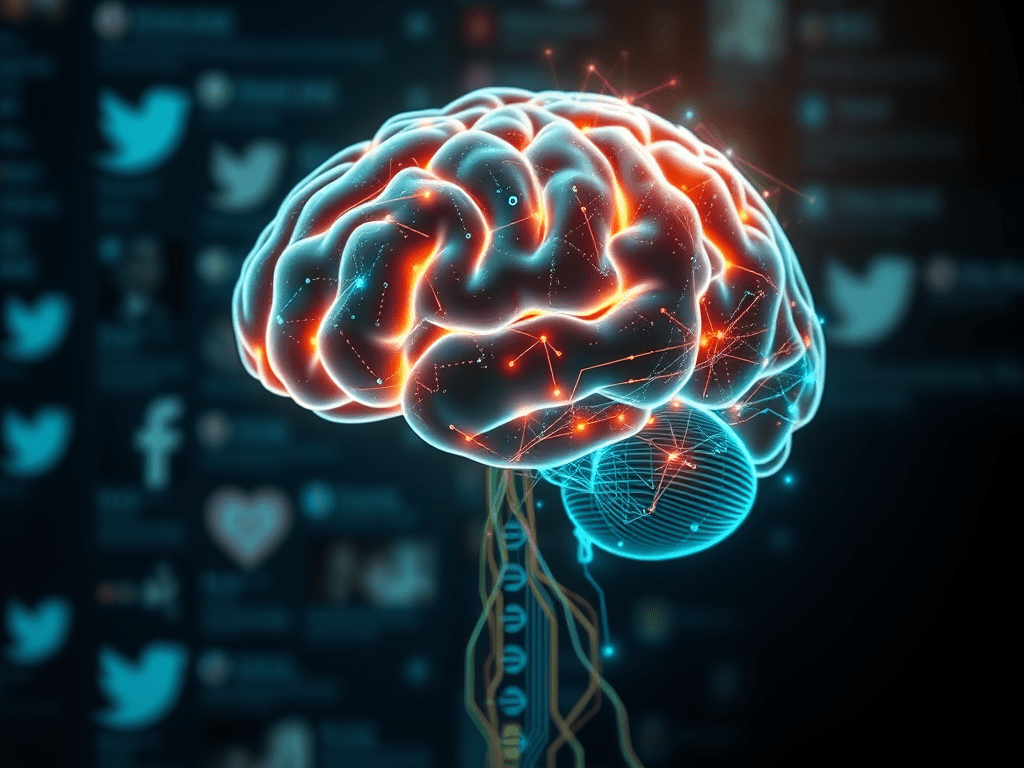
In the depths of our data-driven world, a hidden realm of Dark Data beckons. This unexplored territory is vast and complex, harboring secrets that could redefine our digital landscape.
Defining What Lurks in the Shadows
Dark Data encompasses the vast amounts of information collected and stored by organizations, yet left unanalyzed and unused. As Gartner notes, “the world is drowning in data, yet it’s clear we’re not making the most of what we already have.”
The Untapped Potential of Forgotten Information
The untapped Dark Data holds immense promise. By employing advanced analytics and AI, organizations can unearth hidden patterns and insights. This leads to new business opportunities and enhanced decision-making. The true value lies not only in the data we see but also in the shadows of Dark Data.
When Data Becomes Deception
Data, once a symbol of objectivity, now often serves as a tool for deception. The manipulation of data to mislead has evolved into a sophisticated art. It leverages visualizations and selective statistics to conceal the truth.
The Anatomy of a Data-Driven Lie
A data-driven lie is crafted through cherry-picking data, misleading visualizations, or statistical tricks. By highlighting supportive correlations and burying contradictory evidence, deceivers create a false impression of reality.
Case Studies: Beautiful Visualizations, Misleading Conclusions
Consider a company that presents a graph showing sales “skyrocketing” — only to reveal the y-axis was truncated to exaggerate growth. Or a public health campaign claiming victory without controlling for other factors.
And let’s be blunt: examples are rampant in the United States.
- Politics: Election cycles built on cherry-picked crime stats and manipulated unemployment graphs.
- Public Health: During COVID-19, daily case counts and mortality rates were spun in opposite directions depending on the narrative.
- Corporate America: Facebook proudly citing “engagement” metrics without admitting those clicks were often rage, bots, or disinfo. Wells Fargo hailing “customer growth” that turned out to be millions of fake accounts.
- Education: U.S. schools gaming standardized test scores — the purest demonstration of Goodhart’s Law. Once the test score became the goal, the measure lost its meaning.
These aren’t outliers. They’re symptoms of a culture addicted to metrics at any cost.
The Data Paradox: More Information, Less Understanding
The digital revolution unleashed an unprecedented torrent of information, making it harder to distinguish the relevant from the irrelevant. This is the Data Paradox: the more information we have, the less we actually understand.
Information overload clouds our critical thinking. It creates the illusion of comprehension, where we mistake volume for insight. Without better filters and skepticism, we risk mistaking noise for signal and theater for truth.
Data as Modern Ritual: Metrics of Self-Discovery
Enter the Quantified Self movement: wearables, apps, and trackers logging every heartbeat, step, and mood . For many, this has become ritualistic—data as self-communion.
- Fitness trackers quantify health.
- Meditation apps score mindfulness.
- Productivity tools gamify focus.
There’s a spiritual dimension here: assigning numbers to our lives creates a sense of meaning. But this ritual also risks reducing human experience to dashboards.
The Ethics of Data Manipulation
Simplification is necessary to make complex data comprehensible—but oversimplification distorts. Analysts, journalists, and corporate communicators carry a responsibility: present data transparently, without manipulation.
Corporate accountability: stop cherry-picking numbers and warping visualizations to sell stories.
Individual responsibility: consumers of data must stay skeptical, asking where the numbers came from and what’s missing.
Without that dual accountability, data storytelling veers into propaganda.
Bright Lies: When Deception Illuminates Truth
Sometimes misleading data—the bright lies—can paradoxically force deeper understanding. When numbers don’t add up, they provoke scrutiny that surfaces overlooked truths.
As Kate Crawford puts it, “Data are not neutral; they’re a product of their creation and the context in which they’re used.”
Analytical failures serve a similar role: by breaking, they show us where assumptions were lazy, methods flawed, or biases unchecked.
The Psychology of Data Interpretation
Data doesn’t speak for itself. Our cognitive biases color how we read it:
- Confirmation bias: seeking data that validates what we already believe.
- Anchoring bias: clinging to the first number we see.
- Availability heuristic: overvaluing what’s easiest to recall.
As Peter Drucker reminded us, “The most important thing in communication is to hear what isn’t being said.”
Recognizing these biases isn’t optional—it’s the only way to avoid being played by data. And let’s be honest, examples are running rampant (especially in the United States).
Reclaiming Truth in a World of Data
Critical data literacy is now survival, not a luxury. Tools exist—interactive visualizations, statistical platforms, even basic fact-checking—but the real skill is skepticism.
We need healthier relationships with information: questioning, contextualizing, and resisting the seduction of pretty dashboards. That means advocating for transparency, supporting fact-checking, and resisting information diets built on engagement bait.
Beyond the Binary: Finding Wisdom in the Data Wilderness
Truth and lies in data are rarely clean binaries. Wisdom comes from engaging the complexity—seeing both the patterns and the gaps, asking harder questions, and remembering that data is not reality, it’s a reflection of it.
The real danger isn’t dark data itself—it’s our willingness to mistake the shadows for truth. Cynicism, not blind faith, is the only survival skill worth cultivating in the data wilderness.
Sources
- Gartner Glossary, Dark Data — gartner.com
- Psychology Today, Is Information Overload Hurting Mental Health? (2020) — psychologytoday.com
- Quantified Self official site — quantifiedself.com
- Kate Crawford, Atlas of AI: Power, Politics, and the Planetary Costs of Artificial Intelligence (Yale University Press, 2021) — yalebooks.yale.edu
- Peter Drucker, The Essential Drucker (HarperBusiness, 2001) — harpercollins.com
- IBM Think Blog on Dark Data – IBM.com/think/topics/dark-data
- Psychology Today, Information Overload: It’s Not Just a Bloody Nuisance (2013) – psychologytoday.com
- Wired, This Researcher Says AI Is Neither Artificial nor Intelligent, Wired (2021)



 Measurably Cynical
Leave a comment