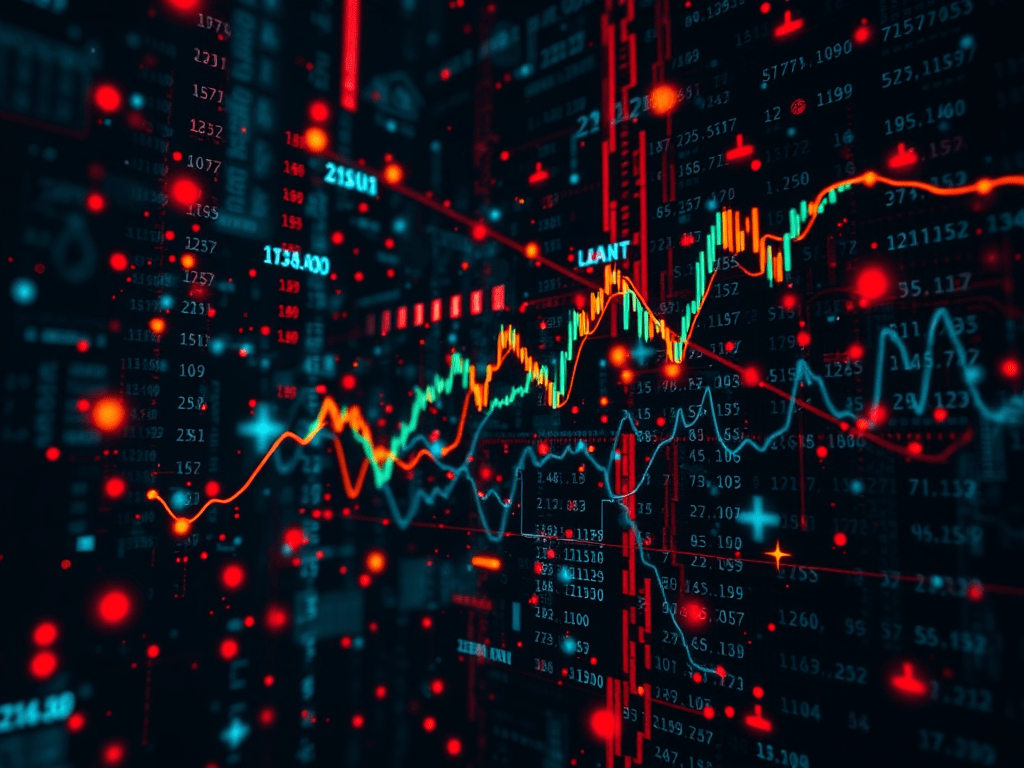
Data hums in the background of everything—our markets, our moods, our morality. Somewhere inside that static, a signal flickers. It isn’t profit or engagement; it’s trust. The real metric of modern life isn’t growth—it’s how fast panic spreads when systems fail.
The “KPI of Panic” is the measurement no dashboard admits to tracking. It’s the pulse that shows whether we still believe in what we’ve built—or if we’re just pretending.
The Noise and the Numbers
We like to believe decisions are rational. In truth, they’re a chorus of bias, fear, and convenience. The louder the data gets, the easier it is to mistake noise for knowledge.
Conventional metrics worship quantity, not meaning. Trust doesn’t appear in quarterly reports or engagement charts. A company can outperform expectations while hemorrhaging credibility. A flawless dataset can hide systemic rot.
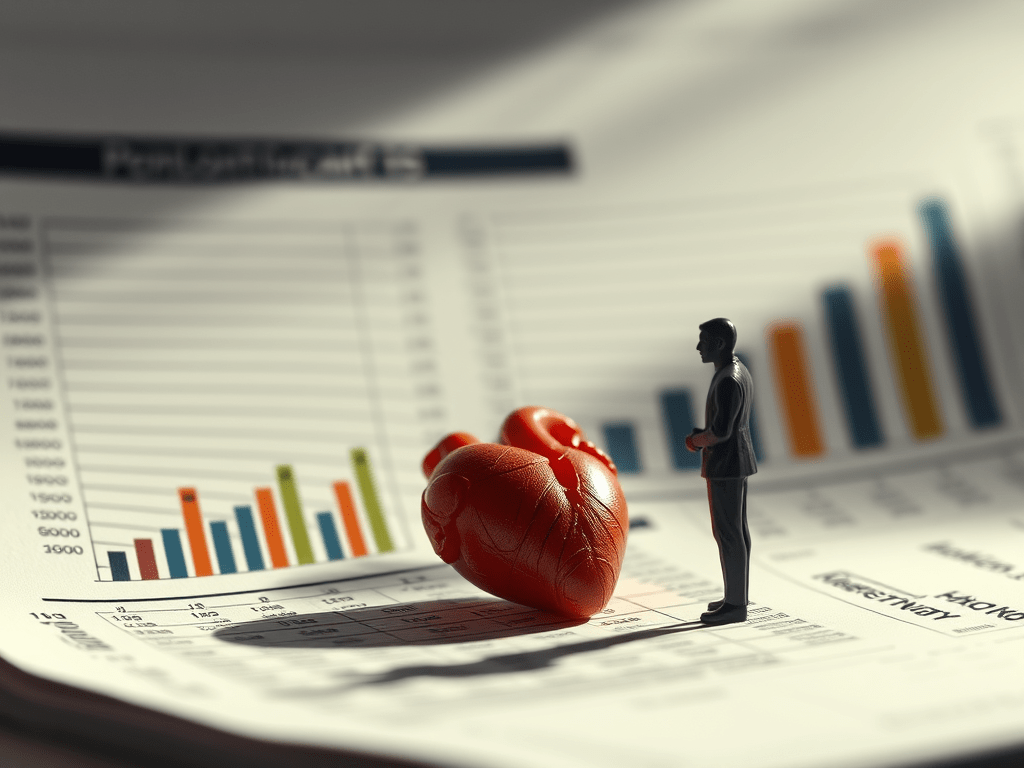
Numbers flatten emotion; trust thrives in the folds. If you want to measure it, stop counting transactions and start watching behavior.
Panic Metrics
Crisis is the stress test for faith. The 2008 financial crash exposed how brittle institutional trust really was; the pandemic made that fragility personal.
When panic hits, the spreadsheet flips. Confidence becomes fragility, silence becomes data. Panic doesn’t destroy trust—it measures it. The more chaotic the moment, the clearer the hierarchy of belief: who we trust, who we don’t, and why.
Panic is the truth serum of systems. It burns away narrative and leaves only evidence.
The Hidden Signals
Trust leaves traces, invisible but everywhere. It lives in tone shifts, hesitation, and the difference between “I’ll think about it” and “I’ve got you.”
The paradox is that the strongest indicators are the most counterintuitive. Vulnerability is a proof of strength. Constructive conflict signals psychological safety. Transparency hurts, but it’s the pain of integrity.
The data that matters isn’t always pretty—it’s honest.
Trust in Translation
Trust refuses to be caged by numbers. It morphs across cultures, platforms, and contexts. Every algorithm claims to quantify authenticity, but in the process, it often manufactures illusion.
Online, trust has been gamified—stars, badges, reviews. Each signal creates static. We scroll through curated personas and mistake them for reliability. Digital trust isn’t gone; it’s just buried under optimization.
The real skill now is discernment: knowing when a signal is real, and when it’s bait.
The Corporate Immune System
Organizations develop antibodies to truth. They call it brand protection or crisis containment, but it’s really fear. When data reveals something ugly, the system resists.
This immune response repels accountability, sterilizes communication, and erodes trust from within. Denial becomes policy. Transparency becomes PR.
The irony? The harder a company tries to appear stable, the less trustworthy it becomes.
Restoring Signal
Rebuilding trust isn’t poetic—it’s mechanical. It happens in repetition, in small honest acts that accumulate into credibility.
Repair begins when signals become systems: when transparency is process, not press release; when feedback loops are treated as oxygen, not threat.
Trust isn’t a KPI. It’s the architecture beneath all of them.
Sources:
- Edelman Trust Barometer (2024)
- Pew Research Center. “Public Trust in Government: 1958–2024.”
- Harvard Business Review. “The Neuroscience of Trust.”
- World Economic Forum. “Trust in Crisis: Rebuilding Confidence in an Uncertain World.”
- MIT Sloan Management Review. “Measuring Trust in the Digital Economy.”


 Measurably Cynical
Leave a comment